
Forms That Feel: A Curated Abstract Collection

1. The Essence of Abstraction: A Prelude to the Collection
Abstract art is not a mirror—it is a threshold. A threshold into emotion, intuition, and the unspoken architecture of the inner world. In abstraction, forms dissolve so thatfeeling can take shape; color becomes a pulse, texture becomes memory, and gesture becomes a language of its own.
This collection brings together three artworks that explore the spectrum of abstraction—from dreamlike surrealism to expressive turbulence to organic, sensoryabstraction. Each piece invites the viewer to step beyond representation and into resonance.
In abstraction, the world is not depicted—it is distilled.
2. Collection Theme: “Forms That Feel”
The unifying thread across these artworks is the primacy of emotion over form, sensation over narrative, and intuition over literalism. These pieces do not ask to bedecoded; they ask to be experienced.
Across the collection, you’ll find:
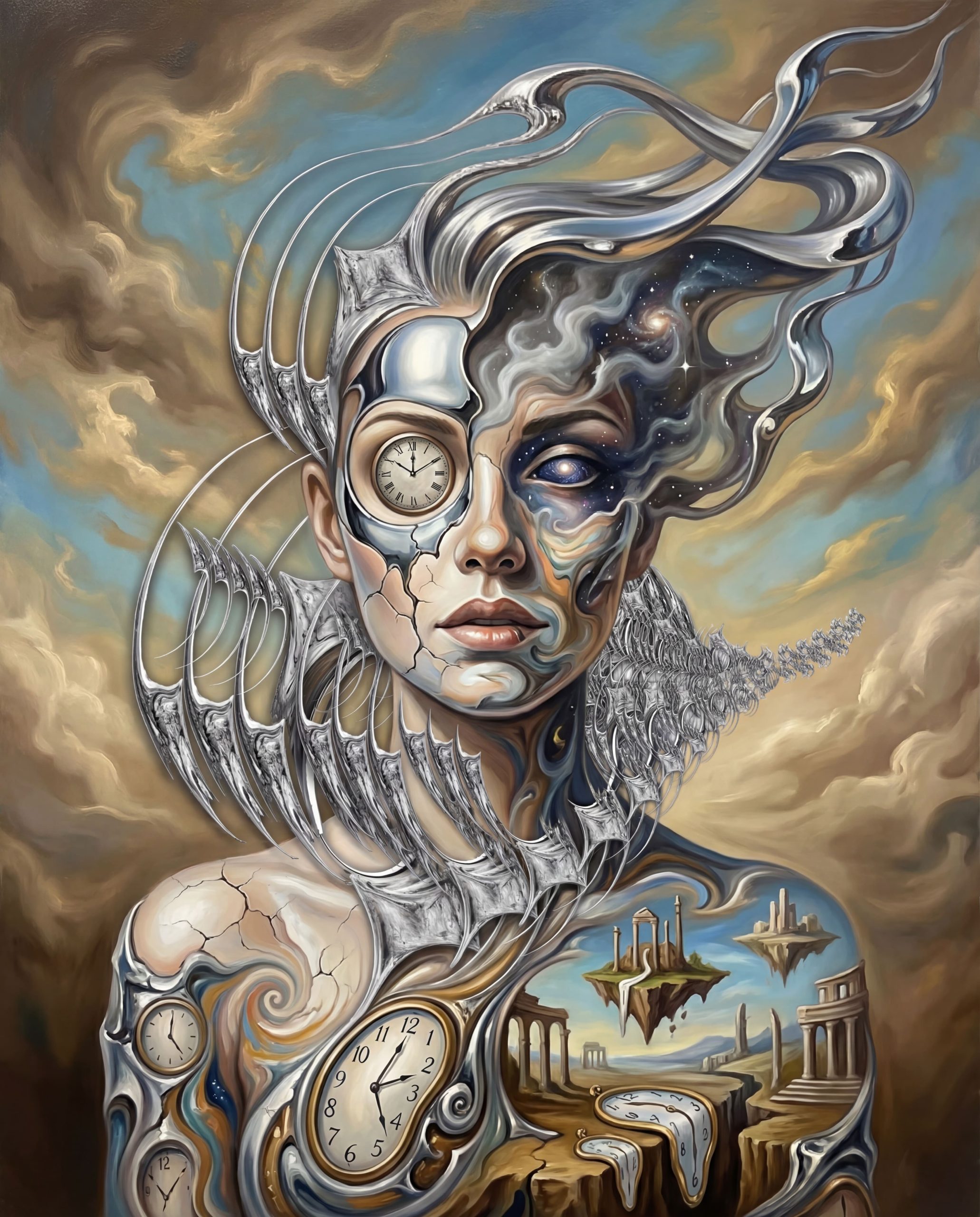
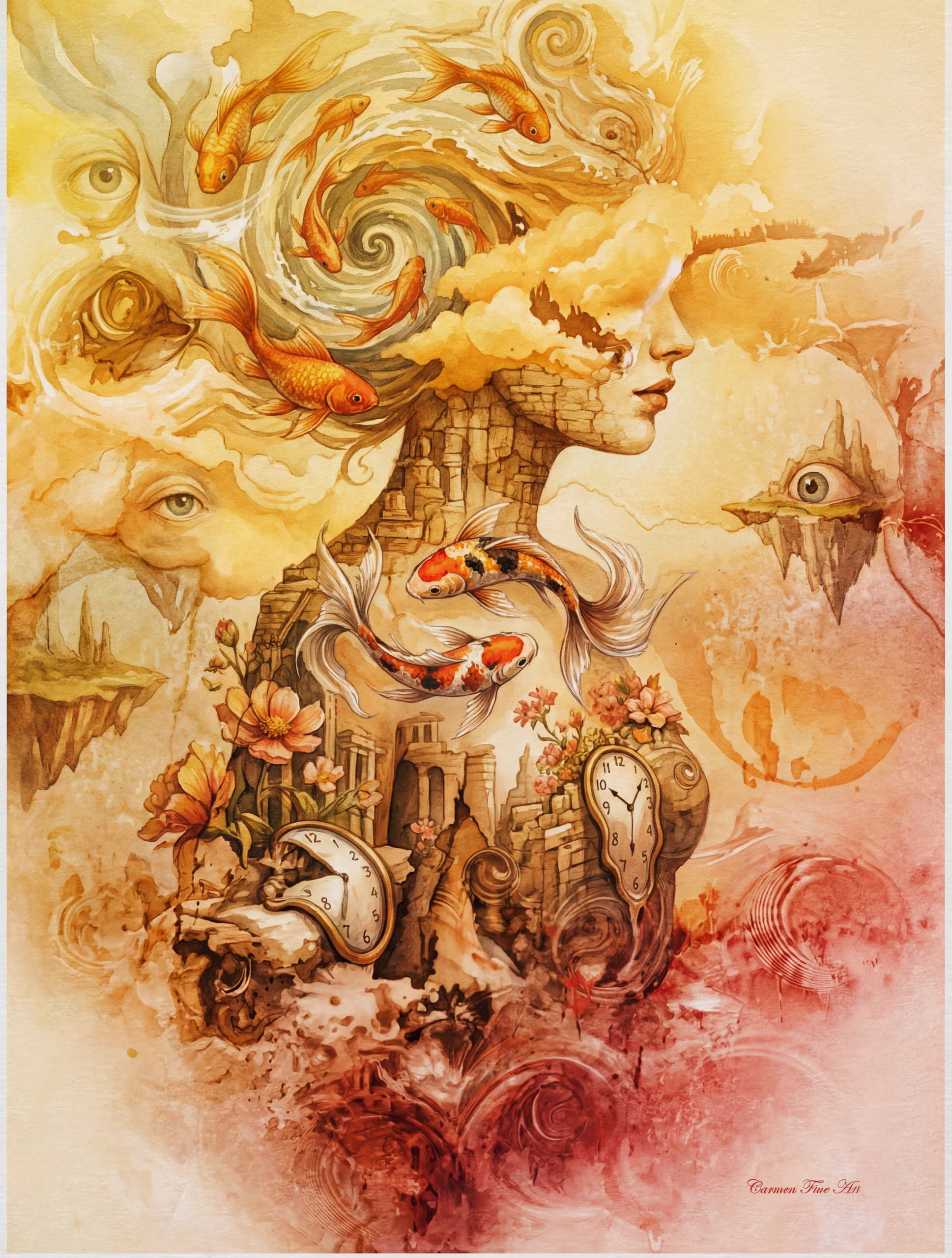
Organic and artificial forms merging into dreamlike structures
Color as a carrier of mood and psychological depth
Textures that invite tactile imagination
Gestures that reveal the tension between chaos and control
Each artwork becomes a portal into a different emotional landscape.
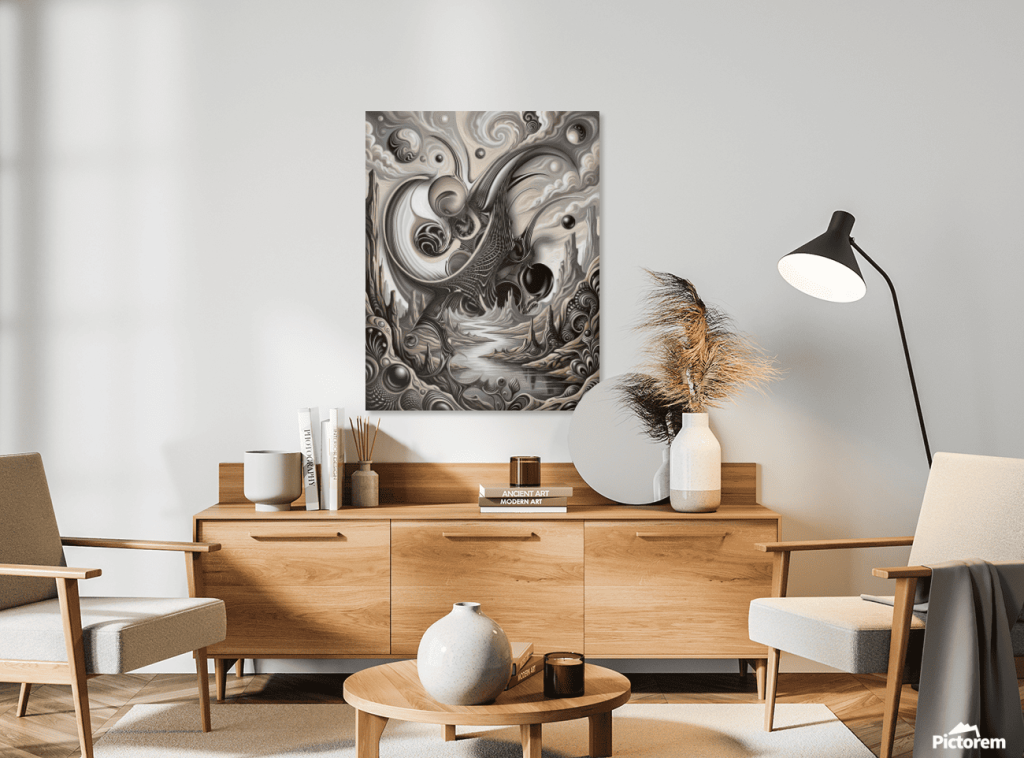
Artwork I — Approach vs Abstraction

A meditation on the boundary between the real and the imagined.
This artwork is steeped in fantasy and otherworldliness, where organic and constructed forms intertwine as if grown from the same dream. The composition feels like aliving architecture—part biological, part mechanical—yet entirely intuitive.
The textures are intricate, almost tactile, pulling the viewer into a contemplative state. Light and shadow carve out a sense of mystery, while the surreal forms evokeintrospection. The piece feels like a quiet question whispered into a vast, unknown space.
Key qualities:
Dreamlike atmosphere
Fusion of natural and artificial forms
Intricate textures and fine detail
A mood of mystery, contemplation, and imaginative depth
This artwork stands as an invitation to explore the liminal space between perception and imagination.
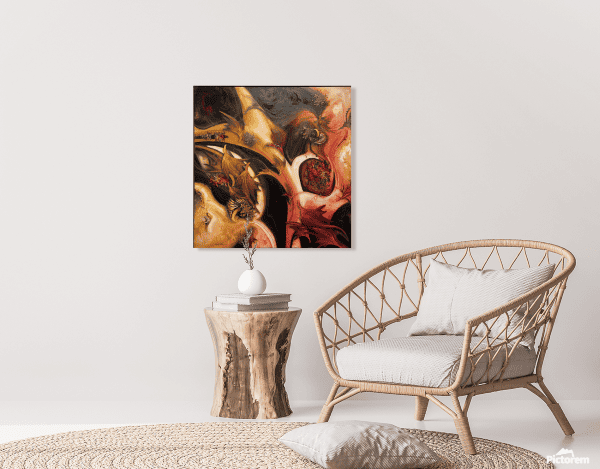
Artwork II — The Interfering Sentiment

A symphony of movement, emotion, and controlled turbulence.
Here, swirling forms collide with layered textures, creating a sense of dynamic motion. The composition feels alive—almost musical—with gestures that oscillatebetween spontaneity and structure. The interplay of contrasting colors generates emotional tension, while the gold accents introduce a refined, almost ceremonialelegance.
This is abstraction as emotional choreography: bold, expressive, and yet meticulously balanced
Key qualities:
Energetic, swirling gestures
Contrasting colors that heighten emotional impact
Textural depth that adds dimensionality
Gold accents that introduce sophistication and visual rhythm
The artwork captures the feeling of an emotion interrupting thought—a sentiment that interferes, insists, and reshapes the internal landscape.
Artwork III — When Trees Whisper inColor

A sensory, organic abstraction that breathes with quiet vitality.
This piece leans into organic shapes and fluid forms, reminiscent of flora, fauna, or even anatomical structures. The ambiguity is intentional—it allows the viewer’simagination to wander freely. The textures add a tactile dimension, making the artwork feel almost alive.
The composition is expressive yet gentle, inviting viewers to interpret the shapes as whispers of nature, memory, or emotion.
Key qualities:
Organic, flowing shapes
Interpretive forms that evoke nature or the body
Textural richness
A soft, expressive emotional tone
This artwork feels like a conversation between color and nature—subtle, intimate, and deeply human.
6. Artist Intent & Process: Behind theAbstraction
Abstraction is often misunderstood as randomness, but each of these artworks reveals a deliberate interplay between intuition and intention.
In this collection:
Color psychology shapes emotional resonance—cool tones soothe, warm tones ignite, metallics elevate.
Texture becomes a storytelling device, adding depth and sensory memory
Gesture reflects the artist’s internal rhythm—sometimes calm, sometimes chaotic, always honest.
Form is liberated from representation, allowing emotion to guide structure rather than the other way around.
The process behind these works is both spontaneous and reflective: a dance between impulse and refinement, between what is felt and what is crafted.
7. Closing Reflection —Where WordsDissolve, Color Speaks
Abstract art offers something rare in a world saturated with literal imagery: the freedom to feel without explanation.
These three artworks—each distinct in voice yet united in emotional depth—invite viewers to slow down, breathe, and let intuition lead. They remind us that meaningdoes not always need to be named; sometimes it only needs to be sensed.
Abstract art doesn’t ask to be understood. It asks to be felt.
This collection is an ode to that feeling—fleeting, powerful, and beautifully untranslatable.